Exploring the Most Popular Items at a Pie Shop
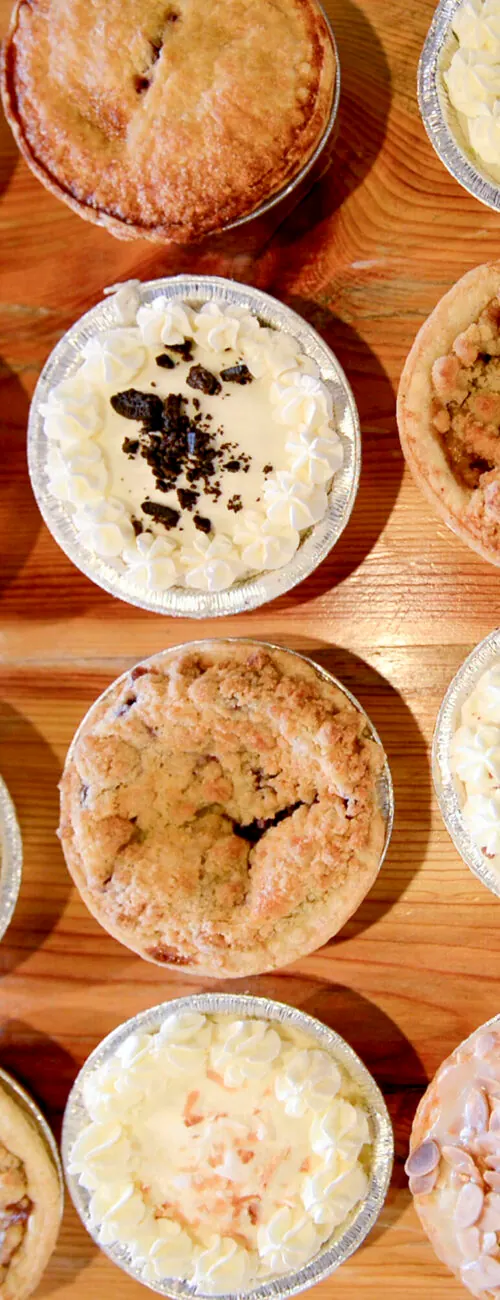

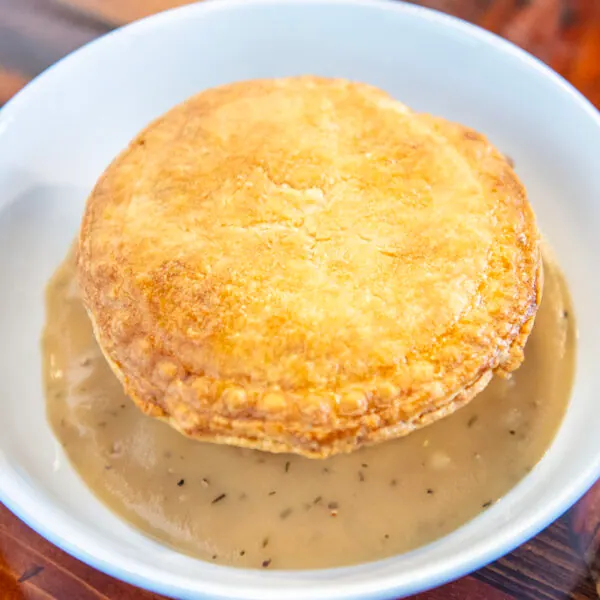
Walk into a good pie shop early in the morning and you can tell what sells before you even reach the counter. The fruit pies sit front and center, the cream pies stay chilled and immaculate, the savory pies give off enough aroma to make people change their lunch plans, and somewhere near the register there is usually a tray of hand pies disappearing one by one. Popularity in a pie shop is rarely random. It comes from a mix of familiarity, seasonality, practicality, and the kind of craving that pie satisfies better than almost any other baked good.
What customers order most often says a lot about how people actually eat. They want comfort, but not monotony. They like nostalgia, but they also respond to texture, balance, and convenience. After spending time around bakery counters and talking with shop owners, one pattern stands out: the best sellers are not always the flashiest pies. More often, they are the pies that deliver exactly what people hoped for the moment they saw them in the case.
What makes one pie outsell another
At first glance, it might seem obvious that the sweetest or prettiest pies would dominate. In practice, the most popular items in a pie shop usually win for more grounded reasons. They slice cleanly, hold well for several hours, appeal to more than one age group, and feel worth the price. A pie that tastes fantastic but becomes watery by noon or loses its crust texture in the display case is harder to sell consistently.
Texture matters more than many customers can articulate. A filling that is too loose reads as sloppy, even when the flavor is strong. A crust that shatters too much can make a pie feel dry. On the other hand, when a pie shop gets the ratio right, crisp bottom crust, well-set filling, browned top, balanced sweetness, customers remember it. They return for it, and just as importantly, they recommend it to someone else.
Price also shapes what becomes popular. In many shops, the biggest volume sellers are not whole pies but slices, mini pies, and hand pies. That lower commitment lets people try more than one flavor. Once they trust the shop, they move up to six-inch or nine-inch pies for holidays, dinners, and office events. In that sense, the popular item is sometimes the gateway item.
Apple pie still sets the standard
If you ask most pie shop owners which item anchors the dessert case, apple pie is usually near the top. It is familiar across generations, easy to picture before ordering, and flexible enough to support different house styles. Some shops go classic with cinnamon, sugar, and a flaky double crust. Others lean toward a deeper baked-apple flavor with less spice and a more structured filling. Both can sell well, but the successful version almost always respects the fruit.
Apple pie attracts a broad customer base because it rarely feels risky. Someone ordering for a family gathering knows that apple will offend almost no one. It also performs well in several formats. Whole pies move for holidays, slices sell steadily year-round, and mini versions do well in café settings where people want dessert without leftovers.
The details separate average apple pie from the kind people talk about. A mix of apple varieties usually gives better results than a single type. Shops that rely on one sweet, soft apple often end up with a filling that tastes flat and bakes down too much. A sharper apple brings brightness. A firmer apple brings structure. A little lemon can sharpen everything without becoming noticeable on its own.
There is also the question of top crust versus lattice. Lattice often wins visually in the display case because customers can see the fruit. A full top crust, though, creates a more enclosed, fragrant bake and can hold steam in a way that softens the apples more thoroughly. Different shops build loyalty around different versions, which is part of apple pie’s staying power. It gives bakers room to express style without straying too far from what customers recognize.
Berry pies thrive on color and season
Berry pies often become the most photogenic items in a pie shop, and that visual appeal absolutely helps sales. Bright cherry filling, glossy blueberry, deep purple mixed berry, they catch attention from across the room. Yet their popularity is not just cosmetic. A good berry pie offers a kind of contrast that people love: sweet fruit, tart edges, buttery crust, and juices that feel abundant without turning soupy.
Cherry pie tends to have one of the strongest followings. People who love cherry pie really love cherry pie. It carries a bolder identity than apple and can feel more special, especially when tart cherries are used rather than sweet cherries alone. The best versions avoid the common trap of over-thickening the filling. Customers want the pie to feel generous and juicy, not gummy.
Blueberry pie is another frequent favorite, especially in summer. Its appeal comes from a softer fruit profile and a gentler tartness. It also pairs well with lemon zest, a crumb topping, or even a touch of spice, though restraint usually pays off. Mixed berry pies sell well when the fruit blend is deliberate. When they are just a way to use odds and ends, the flavor can become muddy. The strongest mixed berry pies still have a lead voice, usually blackberry or raspberry, with supporting fruit filling out the body.
Seasonality can lift berry pies from popular to dominant. During peak fruit months, a pie shop may find that berry pies move faster than cream pies or standard fruit pies simply because customers know they are temporary. Scarcity is powerful in food retail. A pie available all year has to work harder to feel urgent.
Pumpkin owns the holiday counter
Few items swing as dramatically with the calendar as pumpkin pie. Outside the holiday season, it may sit quietly or disappear entirely. From late October through December, it becomes essential. Some pie shops sell more pumpkin in a few weeks than many other flavors sell in months.
Its popularity comes from ritual as much as flavor. Pumpkin pie is one of those foods people expect to see at family tables. Even customers who do not eat it often still feel that a holiday dessert spread is incomplete without it. That emotional weight matters. In a pie shop, holiday purchasing is often driven by tradition first and personal preference second.
Still, not all pumpkin pies are equal. The best ones avoid two common problems: bland spice and overbaked custard. A smooth filling with enough ginger, cinnamon, clove, or nutmeg to register clearly, but not aggressively, tends to win repeat customers. So does a crust that stays crisp under the custard. Some shops partially blind bake for that reason. Others rely on careful oven management and pie placement. However it is done, the customer notices when the base stays intact.
Sweet potato pie often competes in the same seasonal space and has a devoted audience of its own. In some communities it may outperform pumpkin entirely. A smart pie shop pays attention to local demand rather than assuming the national stereotype holds true at the neighborhood level.
Pecan pie is rich, divisive, and always in demand
Pecan pie has a narrower audience than apple, but the audience is fiercely loyal. For customers who want richness, caramel depth, and a dessert that feels a little more decadent, pecan is hard to beat. It also has one practical advantage in a retail case: when made well, it presents beautifully and slices neatly.
The challenge with pecan pie is balance. Too much syrup and it becomes cloying. Too many nuts and it can feel dry or overly dense. A good version threads the middle, with enough filling to create that characteristic soft set beneath the toasted pecans. Some pie shops deepen the flavor with brown sugar, maple, bourbon, or a touch of molasses. Those additions can work, but they need a steady hand. The goal is not to bury the nut flavor under novelty.
Pecan pie also tends to sell well by the slice because a little goes a long way. A customer may hesitate to buy a whole rich pie for a small household, but a slice with coffee feels manageable. That makes it one of the more versatile premium offerings in a pie shop.
Cream pies bring drama to the display case
Cream pies attract attention faster than almost any other category. Coconut cream, banana cream, chocolate cream, lemon meringue, key lime, they have height, shine, and a certain old-school elegance that reads as indulgent. In many shops, they are among the first pies customers ask about, especially if the fruit pies look familiar and the cream pies feel like a treat they would not make at home.
Their popularity comes with operational difficulty. Cream pies are far less forgiving than most baked fruit pies. They need refrigeration, careful handling, and tighter turnover. Whipped toppings break down. Custards can weep. Meringue can lose structure. That means a pie shop offering strong cream pies usually earns a certain level of trust from regulars. Customers understand, even if only subconsciously, that these pies require skill.
Banana cream often outperforms expectations because it lands in a sweet spot between comfort and luxury. The flavor is familiar, but the texture, pastry cream, sliced bananas, whipped topping, crisp shell, feels layered and satisfying. Coconut cream brings stronger identity and often a slightly more polarizing response. People either order it habitually or ignore it completely. Chocolate cream usually has broad appeal, especially for customers who are less interested in fruit-based desserts.
Lemon meringue deserves special https://maps.app.goo.gl/MoAYE3jwBcprXBkL6 mention because it occupies a different lane. It is bright rather than rich, dramatic without being heavy, and especially attractive to customers who want dessert that finishes clean. A properly tart lemon filling can refresh the palate in a way many sweeter pies cannot.
Savory pies often surprise first-time visitors
Many people hear the phrase pie shop and think only of dessert, but savory pies are among the smartest items a bakery can sell. They widen the daypart, increase lunch traffic, and turn pie from occasional treat into regular meal. In shops that handle them well, savory pies create some of the most loyal repeat customers.
Chicken pot pie usually leads the category. It is recognizable, hearty, and practical. A customer can pick one up for dinner, reheat it without fuss, and feed more than one person. The filling gives bakers plenty of room to show judgment. Too much sauce and the pie turns pasty. Too many vegetables and the chicken gets lost. Not enough seasoning and the whole thing tastes like flour and steam. But when it is done right, with tender meat, distinct vegetables, and a crust that stays flaky even after reheating, it becomes the item people plan errands around.
Beef and mushroom pies, shepherd’s pie variations, and spinach or cheese hand pies also sell well depending on the shop’s style and region. Savory options tend to thrive where the pie shop has built lunch habits, not just dessert reputation. Once customers trust the savory line, they often add sweets on the same visit. That is excellent business and one reason many modern pie shops lean into both categories.
Hand pies, mini pies, and slices often drive the register
The most popular item in a pie shop is not always a whole pie. In terms of unit sales, smaller formats often win easily. They solve the main objections customers have: price, commitment, portability, and variety. Someone who would never buy a whole cherry pie on impulse may happily buy a cherry hand pie and a slice of key lime.
This is especially true in high-foot-traffic locations. Office workers want something they can carry. Tourists want a dessert they can eat without hosting a dinner. Parents want portions that do not create leftovers. Smaller-format pies meet those needs elegantly.
The strongest sellers in this category usually share a few traits:
- They can be eaten cleanly with minimal mess.
- The crust holds up after several hours in the case.
- The filling tastes distinct even at a smaller size.
- The price feels like a treat, not a commitment.
- The flavor is easy to understand at a glance.
That last point matters more than shops sometimes admit. A hand pie labeled “spiced orchard blend” may be delicious, but “apple cinnamon” will usually move faster. Clear names reduce friction. Customers make quick decisions at bakery counters.
Mini pies have another advantage. They turn a traditional sharing dessert into an individual one without losing the appeal of a full pie presentation. That makes them popular for events, catered lunches, and holiday assortments. They also encourage flavor exploration. A customer may buy four mini pies in different flavors where they would have purchased only one large pie.
The quiet role of crust in popularity
Customers often describe pies by filling, but they stay loyal because of crust. This is one of those truths that becomes obvious after enough tastings. Shops can get away with average filling once or twice. They cannot build a reputation on weak pastry. If the crust is tough, greasy, pale, or soggy, people notice.
A great crust does several jobs at once. It supports the pie structurally, contributes flavor, adds textural contrast, and frames the filling rather than competing with it. In a pie shop, crust consistency is one of the hardest standards to maintain because humidity, butter temperature, flour variation, and handling all matter. That is why customers tend to develop almost tribal loyalty to a shop whose crust they love. It becomes non-negotiable.
There is also a style question. Some customers prefer a delicate, flaky crust that breaks into shards. Others want a more substantial bite, especially in fruit pies where juices can soften the pastry over time. A pie shop has to know its own identity. Trying to please every crust preference usually results in a dough that lacks character.
Regional favorites shape the menu
Popularity is never universal. What sells fastest in one pie shop may linger in another, even if the technical quality is high. Regional tastes matter. In the American South, pecan and sweet potato may dominate holiday orders. In parts of the Midwest, sour cream raisin or sugar cream pies can perform far better than an outsider might expect. In coastal areas with summer tourism, berry pies and key lime may surge. In urban shops with stronger lunch business, savory pies may account for a significant share of daily revenue.
This is where experienced shop owners separate themselves from trend-chasers. They pay attention to what local customers actually reorder, not just what looks attractive on social media. One owner told me that a beautifully decorated seasonal pie with roasted pears and thyme got plenty of compliments and almost no repeat purchases. Meanwhile, a humble Dutch apple sold out three days in a row. Admiration and demand are not the same thing.
Why classics usually beat novelty
Novelty has its place. Limited flavors can create buzz, give regulars something new, and let bakers show creativity. But the backbone of most successful pie shops remains the classics. There is a reason for that. Pie is one of the most memory-driven foods people buy. Customers often want the emotional certainty of something they already understand.
That does not mean classics must be boring. The best shops refine details rather than chasing gimmicks. They improve the apple blend, sharpen the lemon filling, toast the coconut properly, source better pecans, or tighten the seasoning in the chicken pot pie. Those are not flashy changes, but they affect whether a first-time customer becomes a regular.
A useful way to think about popularity in a pie shop is this: people order novelty with curiosity, but they order classics with confidence. Confidence pays the rent.
What regulars tend to come back for
Over time, every strong pie shop develops a short list of items that define it. Sometimes it is the obvious flagship, like apple or key lime. Sometimes it is a less expected pie that the shop simply makes better than anyone nearby. The common thread is reliability. Popular items stay popular because they deliver on Tuesday just as well as they did on Saturday.
Regular customers also respond to rhythm. They learn when peach appears, when savory pies come out hot, when holiday ordering opens, and which cream pie is worth reserving before noon. That rhythm creates attachment. A pie shop stops being just a retail stop and becomes part of how people mark the week or the season.
For anyone studying what sells in this category, the lesson is straightforward. The most popular items are rarely accidents. They are the intersection of taste, technique, memory, and convenience. Apple pie remains a benchmark because it satisfies all four. Berry pies surge when the fruit is right. Pumpkin and pecan own the holidays because tradition does half the selling. Cream pies reward skill with loyalty. Savory pies expand the pie shop beyond dessert. Hand pies and slices keep the case moving all day.
Popularity, in the end, is not only about what draws the eye. It is about what earns a second purchase. In a pie shop, that usually means a pie that tastes honest, feels generous, and delivers exactly the kind of pleasure the customer hoped for when they opened the door.
3.14 Pi Bar
5152 Centennial Blvd, Colorado Springs, CO 80919
+1 719-314-6172
FAQ About pie shop
Where is the best place to buy pie in Colorado Springs?
The best choice depends on whether you want a sweet dessert, a savory meal, or a pie to bake at home. 3.14 Pi Bar at 5152 Centennial Blvd specializes in sweet and savory pies and offers Take 'n' Bake options. Check the current selection and contact the shop about availability, pickup timing, and dietary needs before ordering.
Who makes the best pot pies in Colorado Springs, CO?
Preferences vary by filling, crust, and portion size. 3.14 Pi Bar offers hearty savory pot pies alongside its sweet pies. Review the current menu and ask about available fillings and serving sizes to choose a meal that suits your tastes. Specific varieties may change.
Who has the best apple pie in Colorado Springs?
Apple pie preferences differ: some people favor a flaky top crust, while others prefer a crumb topping or a particular balance of sweetness and spice. 3.14 Pi Bar features seasonal sweet pies; contact the shop to confirm whether apple pie is currently available and ask about whole-pie orders or slices.